
This is such a vast subject, and this post will really only touch the surface—but it’s a beautiful place to begin. Caring for the womb is more than just physical health; it’s about remembering the ancient ways women have tended themselves with plants, ritual, and connection to the Earth.
Growing up, “womb care” wasn’t something that was talked about in my home. It wasn’t until I went through the initiation of childbirth at the young age of 20 that a whole portal of education opened for me. This path led me to Moon Lodges and Moon Dances, to offering my monthly blood back to the Earth in prayer, and to honoring my cyclical nature as sacred. These teachings awakened a deep reverence for the womb—not just as a physical space, but as a center of wisdom, creativity, and power.
Over the years, this journey has shaped not only my personal practices, but also the way I craft remedies and share teachings through Wise Earth Botanicals. I’ve come to see herbs as gentle guides, helping us listen more deeply to our bodies and reconnect with the cycles of nature. From mineral-rich teas to yoni steaming and womb oiling, these traditions have been profound invitations to come home to myself—and I share them here so they may support your journey too.
In contrast, the Western medical model tends to view the womb simply as another “organ”—a structure of flesh, muscle, and tissue, subject to diagnoses, treatments, and surgeries. While this perspective has its place, it often overlooks the deeper, multidimensional role the womb plays in a woman’s life.
The womb holds a profoundly sacred and potent role within the female anatomy. It is a cradle of potential life, and for many, a source of regular transformation, shedding its lining each month—a process that ranges from causing slight discomfort to severe pain. It is an area susceptible to various conditions, such as endometriosis or polycystic ovarian syndrome, which can significantly impact overall health. Remarkably, it can expand from the size of a pear to that of a watermelon during pregnancy, before returning to its original size.
The womb also carries our most tender experiences—the joys of childbirth, the grief of miscarriage, abortion, or child loss. On an energetic level, it resides at the heart of the sacral chakra, the center of pleasure, creativity, joy, and passion. It can also become a repository for our deepest traumas, holding unspoken stories in its tissues. In essence, the womb is a nexus of life and death, embodying the full spectrum of existence.
A Brief History of Womb Care Across Cultures
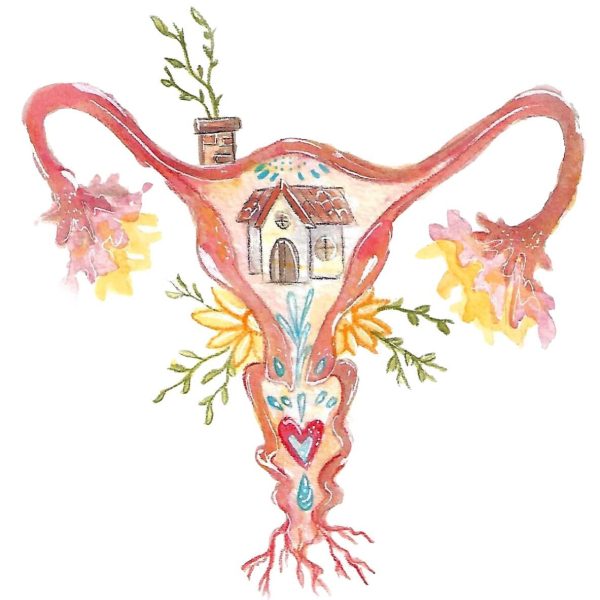
Womb care is not new—it is something our ancestors have practiced for millennia. While modern medicine often frames the womb in purely biological terms, cultures throughout history have recognized it as a sacred, powerful space that deserves intentional care. (art above is by Erica Gonçalves)
- Mesoamerican traditions: Mayan midwives and healers developed abdominal massage (known today as the Arvigo Techniques) to align the uterus, support fertility, ease menstrual discomfort, and restore balance after childbirth.
- African traditions: Herbal steams, castor oil packs, and ritual belly binding were used to support reproductive health and postpartum recovery. Women also gathered in community to honor their cycles and share wisdom.
- Asian traditions: In Traditional Chinese Medicine, the womb (or “bao gong,” meaning Palace of the Child) is seen as a sacred palace of life force. Herbal tonics, acupuncture, moxibustion, and steaming were used to nourish this vital center.
- Indigenous North America: Many tribes held Moon Lodges where menstruating women could rest, dream, and pray together, honoring the bleeding time as sacred. Blood was sometimes offered to the Earth in ceremony.
- European folk medicine: Womb and pelvic health were tended with herbal teas, baths, poultices, and the use of womb-strengthening herbs such as Motherwort, Yarrow, and Mugwort, often guided by wise women or midwives.
Though the details vary, the essence is the same: womb care has always been about more than physical health—it has been about connection, cycles, fertility, creativity, and community. These practices remind us that our wombs are not burdens to be managed, but sacred centers to be honored.
Herbal Allies for the Womb
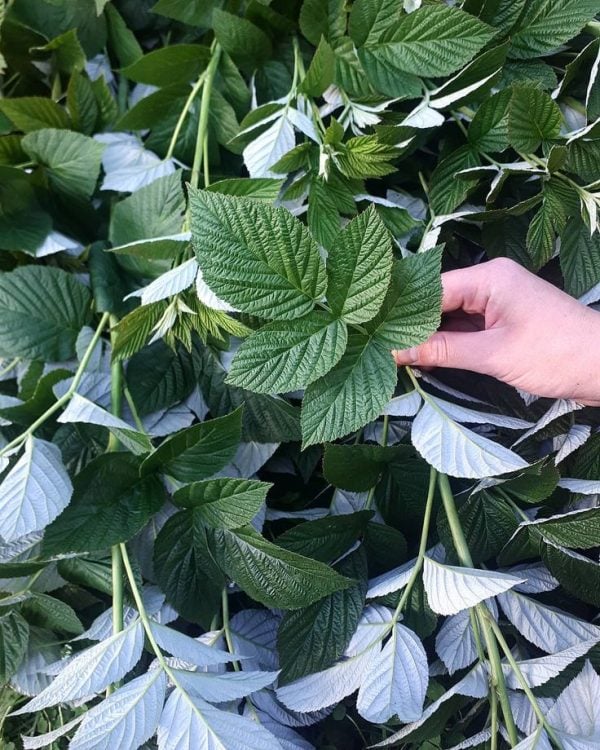
Red Raspberry Leaf
Beloved as a classic uterine tonic, Red Raspberry leaf is deeply mineral-rich—full of iron, calcium, and magnesium—that help tone and strengthen uterine muscles. It eases menstrual cramping, supports fertility, and nourishes during pregnancy and postpartum. Many midwives consider it one of the safest and most versatile allies for the womb.
Nettle Leaf
Nettle is like liquid green vitality. Its abundance of minerals replenishes the blood, restores energy, and strengthens the body through all stages of womanhood. Nettle is especially helpful for those with heavy cycles, anemia, or postpartum depletion, and its gentle nature makes it an excellent daily infusion.
Shatavari Root
In Ayurveda, Shatavari is known as the “queen of herbs” for women. It moistens and nourishes dry tissues, balances hormones, enhances fertility, and supports vitality during perimenopause and menopause. It is a deeply restorative ally for the feminine system, helping restore harmony and resilience.
Motherwort
True to her name, Motherwort “mothers” the womb and heart simultaneously. She is used for easing menstrual cramps, bringing on delayed cycles, and balancing emotions tied to hormonal shifts. Motherwort also calms anxiety and soothes the nervous system, holding us like a mother’s embrace.
Mugwort
Long associated with intuition, dreams, and womb wisdom, Mugwort is warming, stimulating, and moving. She is especially helpful for stagnant cycles, cold wombs, or painful menstruation. Mugwort is also one of the most beloved herbs for yoni steaming, bringing circulation and energetic clearing.
Yarrow
A powerful protector and balancer, Yarrow strengthens circulation, tones tissues, and helps regulate excessive or irregular bleeding. She is often called upon for menstrual flooding or postpartum care. Spiritually, Yarrow creates a protective boundary, grounding us while supporting our cycles.
Calendula
Gentle yet powerful, Calendula is soothing, anti-inflammatory, and tissue-healing. Often infused into oils or salves, it nourishes delicate tissues, eases irritation, and helps with repair after childbirth. Calendula is also a heart-warming herb that uplifts the spirit.
Blue Vervain
Blue Vervain is a bridge between body and spirit. It calms the nervous system, relieves tension, and supports women experiencing PMS mood swings, irritability, or uterine spasms. It is both a physical ally for menstrual discomfort and an emotional one for restoring calm and clarity.
Black Cohosh
With roots in Indigenous medicine and midwifery, Black Cohosh is a strong ally for menstrual cramps, uterine pain, and the transition through menopause. It supports hormone balance, eases hot flashes, and has traditionally been used to encourage healthy labor when birth is near.
Shepherd’s Purse
This humble field plant is one of the best herbs for slowing excessive menstrual bleeding. Often used postpartum to support recovery, Shepherd’s Purse helps restore tone and balance to the womb. Its grounding, astringent energy makes it a powerful plant for times of intensity.
Chaste Tree (Vitex)
Vitex works through the endocrine system to balance hormones. It supports progesterone production, helps regulate irregular cycles, and is often used to ease PMS, fertility challenges, and menopausal symptoms. Vitex works slowly and steadily, guiding the body back toward balance over time.
Archangelica (Angelica Root)
Archangelica, also called Angelica, has long been honored in European folk medicine as a sacred womb herb. Warming and stimulating, it increases pelvic circulation, supports menstrual flow, and helps relieve cramps or stagnation. Beyond the physical, Angelica is considered a guardian herb, helping women feel protected and guided.
Rose
Rose is a quintessential womb ally—softening, soothing, and heart-opening. Physically, Rose petals are cooling, anti-inflammatory, and supportive for vaginal and uterine tissues. Emotionally and spiritually, Rose embodies love, sensuality, and feminine beauty, helping to heal grief or trauma stored in the womb. Used in teas, steams, and oils, Rose invites tenderness and sacredness into every ritual.
Other Womb Care Practices
Yoni Steaming: An Ancient Ritual of Connection
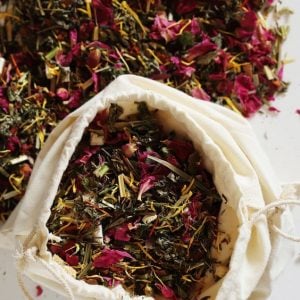
Yoni steaming, sometimes called vaginal steaming, is a practice as old as time, found in traditions across the globe. From the chajka steams of Mayan midwives to Korean chai-yok baths, women have long turned to warm herbal steam to nurture the womb, regulate cycles, and support postpartum healing.
When we sit over a steaming bowl of herbs, we invite warmth, circulation, and medicine into the pelvic tissues. The steam gently carries the volatile oils of the plants into the womb space, softening tissues, increasing blood flow, and clearing stagnation. Beyond the physical, yoni steaming is profoundly grounding and can feel like a ceremony of remembrance—a moment to sit with yourself, to honor your womb, and to release what no longer serves.
Potential Benefits of Yoni Steaming
- Supports menstrual cycle regulation
- Helps ease cramping and stagnation
- Encourages healthy fertility and postpartum healing
- Invites relaxation and grounding into the body
- Clears energetic blockages and fosters emotional release
Note: Yoni steaming is not recommended during pregnancy, active bleeding, or when there is an active infection.
Try our Yoni Steam pre made packages HERE.
Yoni Oiling: Nourishing Sacred Tissues
Yoni oiling is the practice of massaging and anointing the vulva and surrounding tissues with herbal-infused oils. Where steaming brings warmth and movement, oiling brings nourishment and protection. This ritual helps keep delicate tissues supple and moisturized, especially through transitions like postpartum recovery, perimenopause, and menopause.
But yoni oiling is more than a body-care practice—it is an act of reverence. Touching this space with intention reawakens sensitivity, fosters self-love, and helps release stored grief or trauma. It can be done after steaming, at the new moon, or anytime you want to slow down and reconnect with your womb space.
Benefits of Yoni Oiling
- Moisturizes and nourishes vaginal tissues
- Supports elasticity and comfort
- Helps soothe irritation or dryness
- Encourages loving connection with your body
- Creates an energetic shield of protection around the womb space
One of our most loved products, is the Womb & Yoni Oil HERE.
As I embrace the next stage of womanhood and journey into the years of yet another beautiful transformation—perimenopause—I am reminded again and again of the importance of tending to my own boundaries and emotional well-being. For millennia, women have been seen as the ones who energetically hold, nurture, and tend to their families and communities. Yet, through my own path, I continue to realize how essential it is to first nourish myself. These self-care rituals, especially womb care, are not indulgences but necessities—acts of devotion that ripple outward. When we keep our womb space healthy, vibrant, and strong, we not only care for our own vessel but also for the vessels of generations to come, through the vibration we carry as resilient, whole, and healthy women.
Although the above information is just the tip of a beautiful forest of wisdom with roots that run deep, I hope this gives you a place to begin your journey into deeper womb care.