
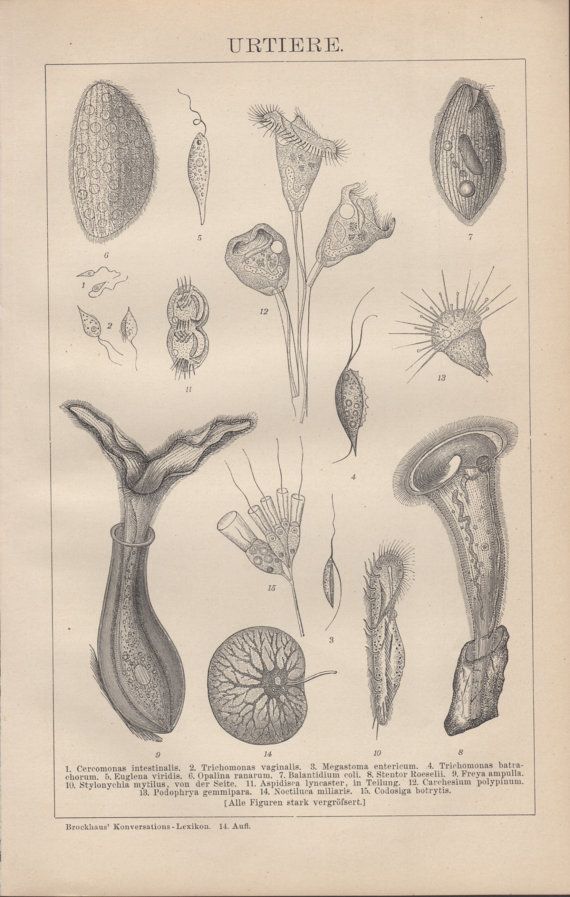
For thousands of years, healers have understood that the human body is an ecosystem — a living landscape teeming with life, balance, and exchange. The ancient Greek physician Hippocrates, often called the father of modern medicine, first used the word parasitos, meaning “uninvited guest at the table.” It’s a fitting metaphor — parasites have always been with us, quietly sharing our meals and our vitality.
Up until the early 1900s, nearly every household kept a vermicidal tonic — a blend of bitter herbs known as a vermifuge — to cleanse the body seasonally. These remedies were part of routine home care, much like brushing one’s teeth or tending the garden. Even mainstream physicians prescribed antiparasitic tonics well into the late 1800s.
That changed in 1910 with the release of the Flexner Report, funded by the Rockefeller Foundation. The report labeled herbal medicine “unscientific,” resulting in the closure of herbal colleges, the decline of community apothecaries, and the near disappearance of botanical medicine from modern healthcare. At the same time, medical thought shifted from terrain theory — focusing on the body’s internal balance — toward germ theory, which emphasized the use of antibiotics.
Germ Theory vs. Terrain Theory
Germ theory teaches that microorganisms cause disease and that the key to health lies in eradicating them.
Terrain theory, on the other hand, reminds us that microbes — including parasites — can only thrive in a weakened or imbalanced internal environment.
In herbalism, we focus on strengthening the terrain. When digestion is strong, the microbiome is diverse, and the immune system is balanced, the body naturally maintains harmony. Cleansing is not about waging war — it’s about restoring equilibrium.
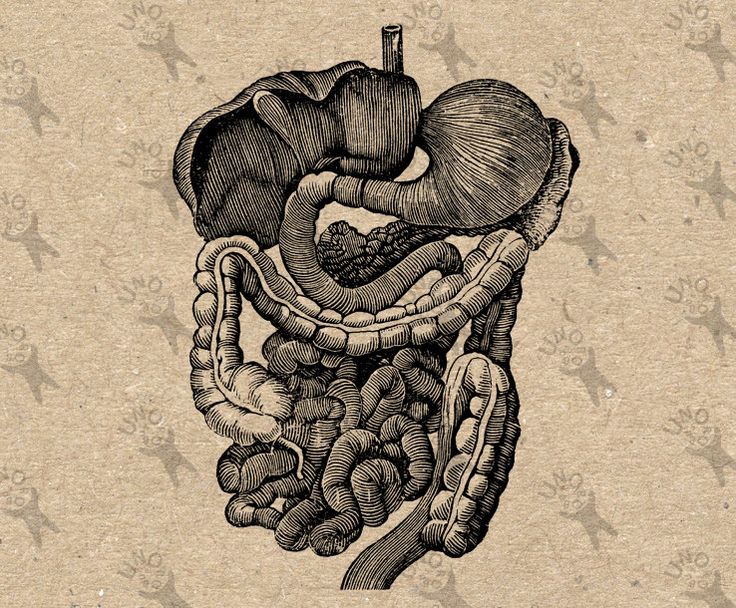
Why the Gut Microbiome Becomes Compromised
Our inner terrain — the vast community of beneficial microbes in the gut — mirrors the world we live in. Modern life, however, has created a perfect storm for imbalance.
- Processed and refined foods disrupt the natural balance of gut flora and feed harmful organisms.
- Glyphosate and agricultural chemicals act like antibiotics in the digestive tract, diminishing microbial diversity (PubMed Study).
- Overuse of antibiotics and certain medications wipe out beneficial bacteria alongside the bad.
- Chronic stress and poor sleep weaken digestive fire and slow detoxification.
- Chlorinated and fluoridated water, preservatives, and artificial sweeteners further degrade gut ecology.
When the microbiome weakens, the body’s defenses falter — creating conditions in which parasites, fungi, and opportunistic bacteria can take hold. The goal, then, is not just to remove these organisms, but to rebuild the terrain so they no longer thrive.
Types of Parasites & How They Spread
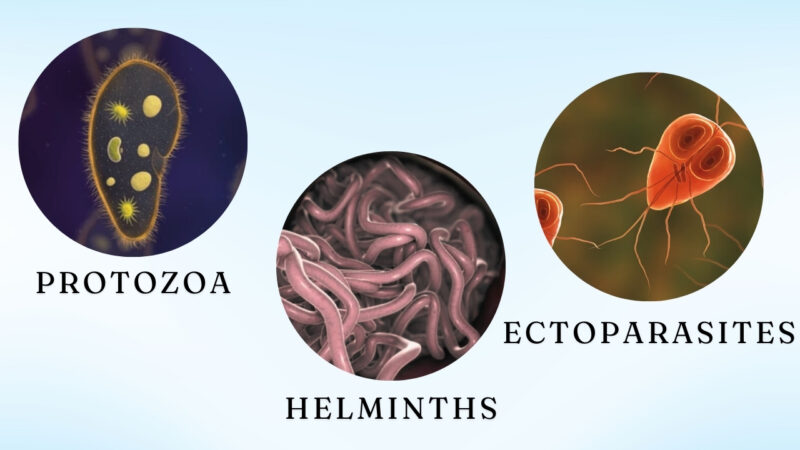
Parasites exist in many forms:
- Protozoa – single-celled organisms such as Giardia or Blastocystis hominis
- Helminths – worms including roundworms, pinworms, and tapeworms
- Ectoparasites – external dwellers like lice, mites, and ticks
Transmission typically occurs through contaminated food or water, undercooked meats, unwashed produce, or contact with infected soil. But beyond exposure, the true susceptibility lies in the strength of the terrain — the digestive fire and immune resilience that maintain internal balance.
Symptoms & Chronic Illness Links
While acute parasitic infections can cause obvious distress, chronic parasitic imbalance often hides in plain sight. Common symptoms include:
- Bloating, gas, or irregular digestion
- Sugar cravings or unexplained fatigue
- Skin irritation or itching
- Brain fog and poor concentration
- Disturbed sleep cycles
- Nutrient deficiencies despite a balanced diet
Research continues to explore the link between chronic parasitic load and inflammatory conditions, immune dysregulation, and gut-brain axis imbalances (NIH Review).
Herbal Allies for Parasite Cleansing
Across centuries and continents, herbalists have turned to the plant world for gentle yet powerful ways to support the body’s natural cleansing rhythms.
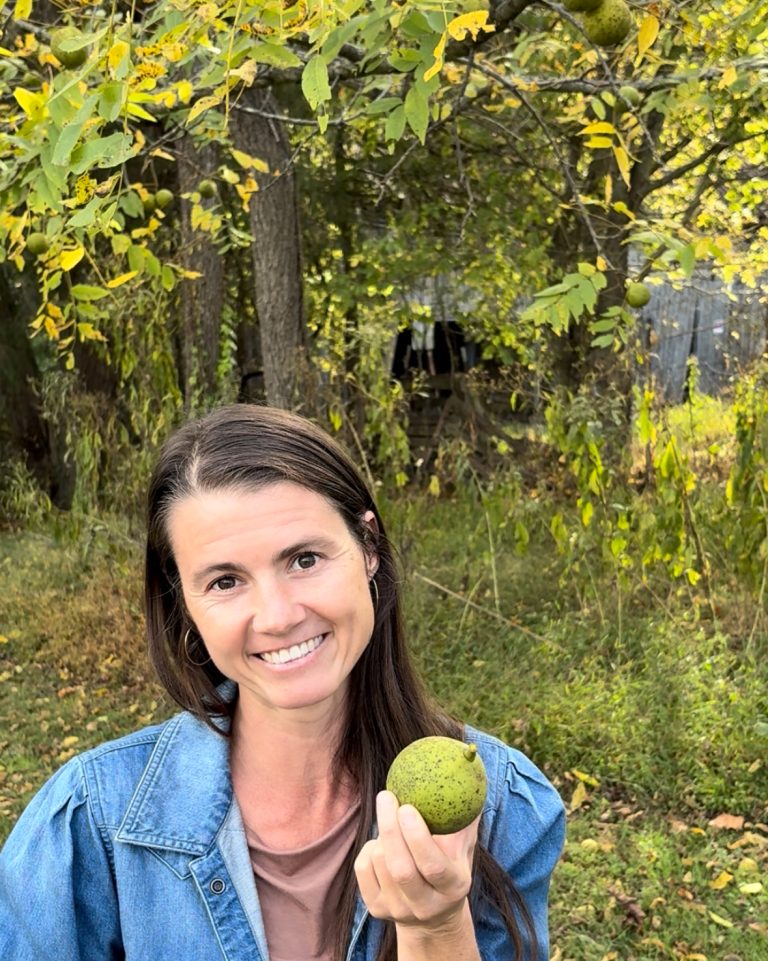
Black Walnut Hulls (Juglans nigra) — North America
Used by Indigenous tribes and early settlers, Black Walnut’s green hulls were long valued for their ability to support intestinal cleansing. The compound juglone has natural antiparasitic and antifungal activity (Study on Anthelmintic Effects). Traditionally, black walnut was used each autumn to support elimination and tone the digestive tract.
*You can watch my YouTube video on Black Walnut here
Wormwood (Artemisia absinthium) — Europe & Western Asia
A classic bitter herb and one of the oldest recorded vermifuges, Wormwood’s use dates back to ancient Egypt and Greece. Its bitter principles, absinthin and anabsinthin, stimulate bile flow and digestion, creating an environment less hospitable to parasites. Known as the “bitter of bitters,” Wormwood is at the heart of many traditional cleansing tonics (Study on Antiparasitic Activity).
Clove (Syzygium aromaticum) — Indonesia
Native to the Spice Islands, Clove’s aromatic buds contain eugenol, which supports cleansing of parasite eggs and balances microbial activity in the gut. In Ayurveda and Chinese medicine, Clove is used to warm digestion, clear stagnation, and improve circulation — making it a key component in formulas that promote digestive vitality (Eugenol Research).
Mimosa Pudica Seed — South Asia
Known as the “sensitive plant” for the way its leaves fold when touched, Mimosa Pudica has been used in Ayurveda for centuries. The seeds form a gel-like matrix in the intestines that helps bind toxins and biofilms. It’s often used to support detoxification, healthy elimination, and renewal of gut integrity (Study on Antimicrobial Effects).
Neem (Azadirachta indica) — India
Revered as the “Village Pharmacy,” Neem is one of the most versatile and purifying herbs in Ayurveda. Its bitter compounds cleanse the blood, support liver function, and discourage the overgrowth of harmful microbes (Neem Overview). Neem’s cooling energy makes it particularly supportive when inflammation or skin symptoms accompany internal imbalance.
Garlic (Allium sativum) — Global
Used for over 5,000 years, Garlic is a cornerstone of traditional medicine worldwide. Its sulfur compound allicin provides broad-spectrum antimicrobial and antiparasitic support (Study on Antiparasitic Properties). Folklore once described garlic as protection against evil spirits — a poetic reflection of its powerful cleansing nature and ability to fortify the immune system.
Together, these herbs form a powerful synergy — supporting digestion, elimination, and microbial balance. Wise Earth Botanicals’ ParaGuard Parasite Formula was crafted in this same spirit: to restore harmony to the inner terrain using the wisdom of traditional plant allies.
Diet & Prevention
Herbs are most effective when paired with a lifestyle that nurtures the gut and strengthens the terrain. Think of it as tending the soil before planting seeds of renewal.
Choose Living Foods
Include fermented foods such as sauerkraut, kimchi, kefir, kombucha, and coconut yogurt. These introduce beneficial bacteria and promote microbial diversity — a foundation for resilience.
Healthy bacteria are vital to this balance. Species such as Bacillus subtilis, a beneficial soil microbe that naturally surrounds the roots of vegetables in living topsoil, help maintain digestive health and immune integrity (Bacillus subtilis Study). Unfortunately, this microbe has been largely depleted in modern diets due to the widespread loss of nutrient-rich topsoil.
Other key strains include Lactobacillus gasseri and Lactobacillus reuteri — probiotic species often completely wiped out by antibiotic use. These strains remain abundant in Northern Indigenous populations throughout Europe who have never been exposed to antibiotics and exhibit exceptionally strong gut terrain (L. reuteri Research).
Finally, Lactobacillus rhamnosus has been shown to support mucosal immunity, reduce digestive inflammation, and help maintain microbial balance after illness or stress (L. rhamnosus Study). Together, these probiotic allies help rebuild the inner ecosystem, restoring the body’s natural defense and vitality.
*You can make your own yogurt, which turns your 20 billion probiotic pill into 200 billion! Great way to really enhance healthy gut microbes and save money on probiotic supplements. Find my favorite Ultimate Yogurt Maker here.
Feed the Good Microbes
Consume fiber-rich prebiotics like garlic, leeks, onions, burdock root, and dandelion root to nourish beneficial bacteria and support regular elimination.
Avoid What Feeds the Unwanted
Limit refined sugar, processed foods, and alcohol, which provide fuel for harmful organisms and disrupt microbiome balance.
Support Digestion Daily
Take herbal digestive bitters before meals, chew slowly, and avoid eating under stress. A strong digestive fire (agni) prevents stagnation and maintains internal harmony.
Hydrate and Mineralize
Drink clean, filtered water and replenish minerals with herbal infusions such as nettle, oatstraw, or red clover.
Align with the Seasons
Herbalists traditionally performed gentle cleanses during spring and autumn — the times of natural transition when the body is most ready to shed the old and invite renewal.
Closing Thoughts
Parasites remind us that health is not a battle to win but a balance to cultivate. When we strengthen the terrain — nourishing the gut, supporting detox pathways, and integrating herbal allies — the body naturally finds equilibrium.
Reclaim your terrain.
Restore your vitality.
Return to harmony with the wisdom of plants.
Explore: ParaGuard Parasite Formula →