
Many people experience shifts in mood throughout the year—especially during periods of stress, hormonal changes, or seasonal transitions. Low mood is more than just “feeling off.” It can show up as:
- Persistent heaviness or sadness
- Low motivation
- Irritability or emotional sensitivity
- Fatigue or brain fog
- Feeling disconnected or “flat”
- Increased anxiety or overwhelm
- Difficulty experiencing pleasure
For many, this intensifies during the fall and winter months with Seasonal Affective Disorder (SAD)—a pattern where lower sunlight, colder weather, and longer nights disrupt our circadian rhythm and neurotransmitter balance.
The good news? Herbs have been used for centuries to support emotional well-being, nourish the nervous system, and rekindle a sense of vitality. Below is a our guide to herbs that uplift mood, open the heart, and support the deeper systems that influence emotional health.
As always, please consult with your primary care physician before adding any new herbs or supplements to your routine. If you are currently taking SSRIs, it’s important to avoid many of these herbs, as they also influence neurotransmitter pathways. You can, however, safely focus on nourishing your mood through diet and lifestyle—both of which play an essential role in the healing process.

Herbs for Low Mood + Emotional Lift
These herbs work on neurotransmitters like dopamine, serotonin, and GABA—supporting motivation, joy, emotional resilience, and stress tolerance.
1. Mucuna Pruriens
A natural source of L-DOPA, the precursor to dopamine.
- Enhances motivation, focus, and pleasure
- Supports healthy stress response
- Helps replenish depleted neurotransmitters
Especially helpful for sluggish, heavy moods or burnout. Shop our Bliss Activator HERE
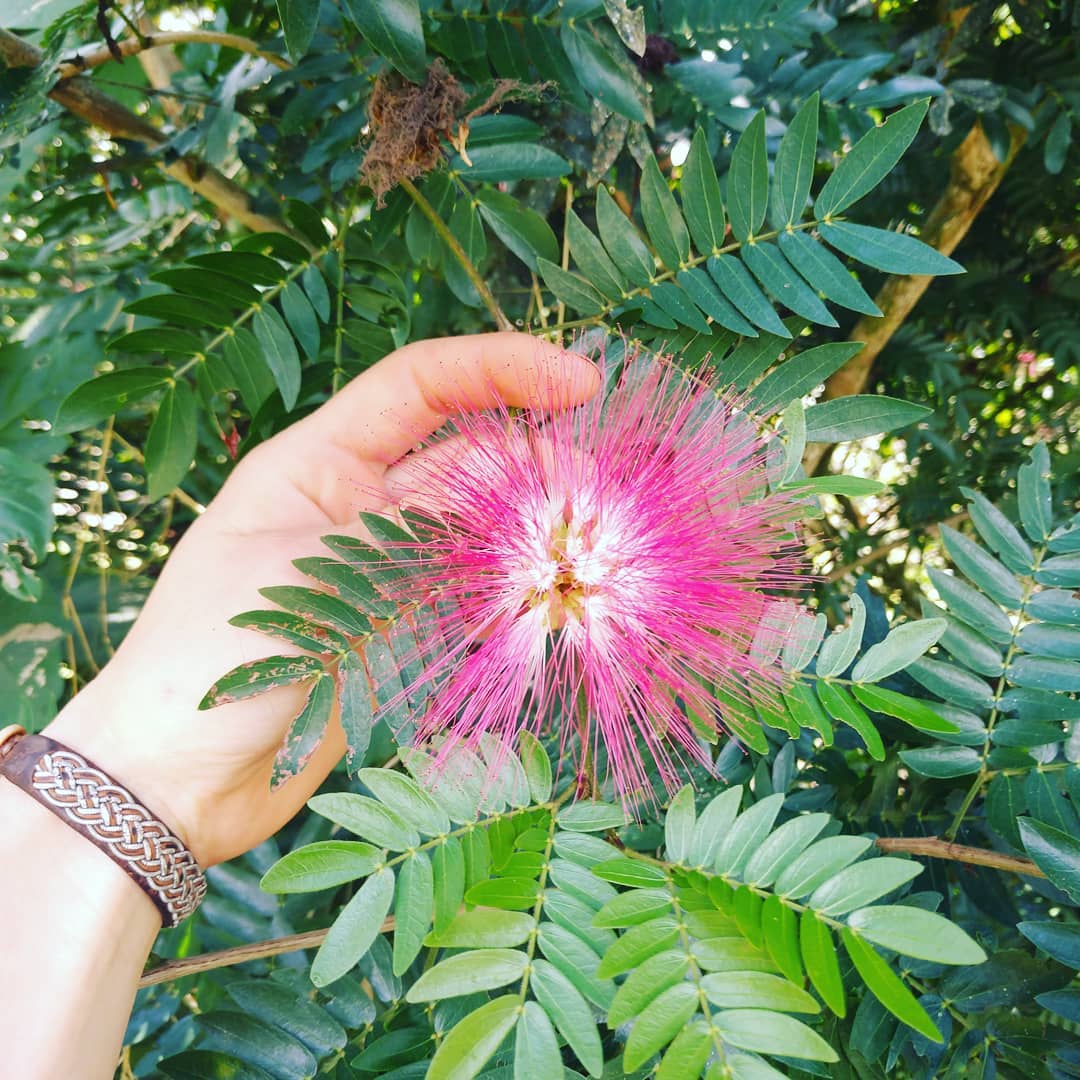
2. Mimosa (Albizia) – Flower & Bark
Known as the “Tree of Happiness.”
- Gently uplifts mood
- Supports grief, heartache, and emotional heaviness
- Calms the mind while inspiring a sense of joy
A beautiful ally during emotional transitions. Shop our Bliss Activator HERE
3. Damiana
A warming, circulatory herb that awakens the spirit.
- Boosts dopamine
- Enhances sensuality, creativity, and openness
- Good for low mood combined with tension, stagnation, or low libido. Shop our Love Potion HERE
4. St. John’s Wort
One of the most clinically studied herbs for mild to moderate depression.
- Supports serotonin balance
- Nourishes the nervous system
- Helps regulate circadian rhythm
Perfect during darker winter months and seasonal mood dips.
5. Lemon Balm
A soothing, brightening herb.
- Supports GABA pathways
- Calms the nervous system
- Lifts mood while easing anxious tension
Excellent for frazzled, overthinking, under-rested types. Shop our Lemon Balm Glycerit HERE
6. Rhodiola
A powerful adaptogen for stress-related low mood.
- Balances cortisol
- Enhances mental stamina
- Supports serotonin and dopamine pathways
Best for fatigue-driven low mood or emotional exhaustion. Shop our Shine Bright HERE
Heart-Opening Herbs: Why They Matter
Sometimes low mood is more about emotional closure—grief, heartbreak, protection, or numbness. Heart-opening herbs help soften these walls, increase circulation to the chest, and support emotional expression.
Rose
A gentle nervine and emotional healer.
- Softens grief and emotional rigidity
- Invites compassion, connection, and tenderness. Shop our Wild Rose & Rose Quartz Glycerit Here
Hawthorn
Tonic for the physical and emotional heart.
- Strengthens heart rhythm and circulation
- Supports emotional resilience
- Beautiful for long-term heart healing
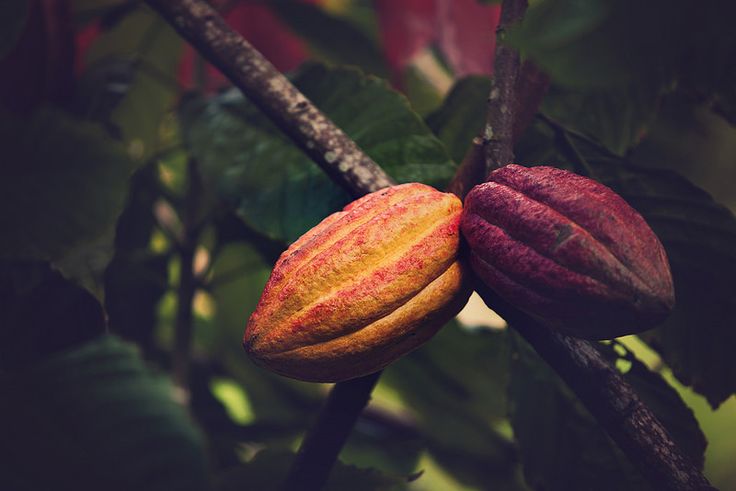
Cacao
Rich in theobromine, magnesium, and natural mood elevators.
- Opens the heart
- Enhances bliss chemicals like anandamide
- Supports connection, joy, and warmth. Shop our Love Potion Here
Linden
Cooling, comforting, and deeply soothing.
- Relaxes the chest and emotional tension
- Supports gentle unwinding and peacefulness
Motherwort
For those who carry the weight of the world.
- Eases heart palpitations, overwhelm, and irritability
- Supports nurturing energy and emotional grounding. Shop our Gentle Spirit Here
Reishi Mushroom
A spiritual tonic known as the “Mushroom of Immortality.”
- Calms the spirit (Shen)
- Nourishes the heart and nervous system
- Supports emotional stability and inner peace. Shop our Adrenal Rescue Here
Heart-opening herbs help reconnect us with joy, safety, and emotional fluidity—the places where healing begins.
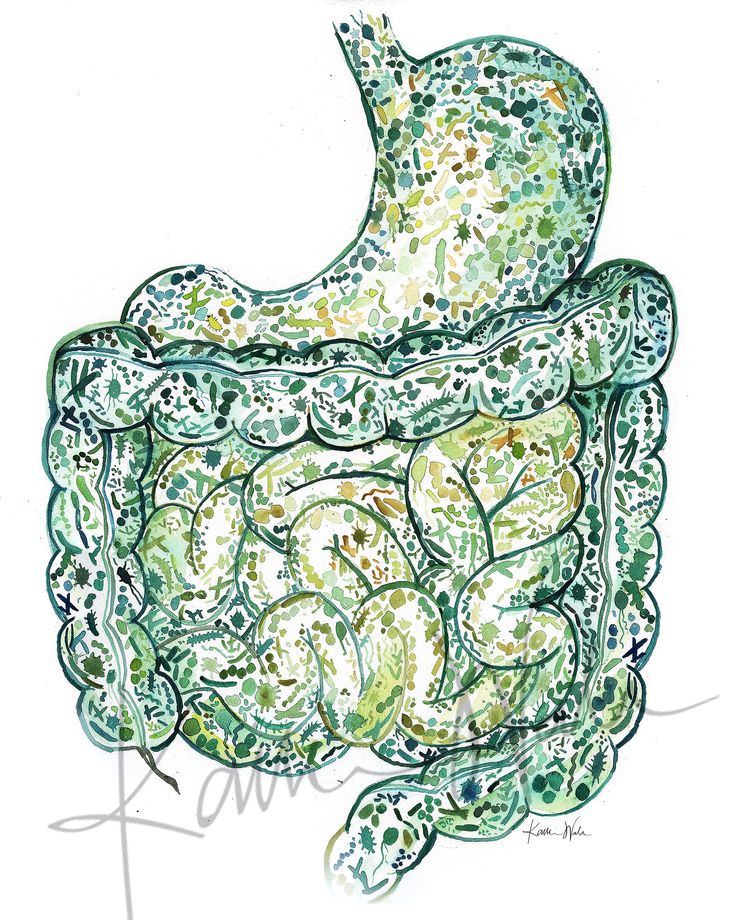
Why the Gut Microbiome Matters
Most people are surprised to learn that your gut is actually one of the biggest drivers of emotional well-being.
In fact: 90–95% of your serotonin is produced in the gut—not in the brain. This means your mood, motivation, emotional resilience, and sense of well-being depend heavily on the health of your digestive system.
How the Gut–Brain Connection Works
Your gut and brain communicate constantly through a network known as the gut–brain axis. This communication happens through several pathways:
- The Vagus Nerve — your body’s primary “information highway” delivering real-time updates from your gut to your brain.
- Immune Signaling — inflammation in the gut directly affects inflammation in the brain, impacting mood and cognition.
- Microbial Metabolites — your gut bacteria produce compounds that influence mood, energy, stress, and even cravings.
- Neurotransmitter Production — the gut manufactures serotonin, dopamine, and GABA, all essential for emotional balance.
When your digestion is strong, your microbiome is balanced, and your liver is functioning well, these pathways support clearer thinking, calmer emotions, and a more stable mood.
But when digestion is sluggish, the liver is backed up, or the microbiome is imbalanced, the system gets overwhelmed. Neurotransmitter production drops, inflammation rises, and mood begins to suffer.
The Role of Diet in the Gut–Brain Axis
Food is one of the most powerful ways to influence emotional health. What you eat determines:
- the type of microbes living in your gut
- how much inflammation is present
- how efficiently neurotransmitters are produced
- the stability of your blood sugar
- whether your liver is supported or burdened
Because of this, many people find the most emotional stability on a diet that is gentle on the gut, supportive to the liver, and naturally anti-inflammatory—like a Paleo-style diet.

Why a Paleo-Type Diet Supports Mood
A whole-foods, ancestral approach tends to benefit the gut–brain axis for several reasons:
1. Healthy Fats Nourish the Nervous System
Grass-fed ghee, olive oil, avocado oil, pastured animal fats, and omega-3 rich seafood help:
- reduce inflammation
- support brain cell membrane integrity
- stabilize mood and energy
- balance hormones
Your brain is nearly 60% fat—so quality fats matter deeply.
2. Grass-Fed, Grass-Finished Protein Builds Neurotransmitters
Protein provides amino acids like:
- tryptophan → serotonin
- tyrosine → dopamine
- glutamine → GABA
Without these building blocks, neurotransmitter production slows.
Grass-fed protein also has higher levels of omega-3s and conjugated linoleic acid (CLA), which support a healthy brain and liver.
3. Colorful Carbohydrates Feed the Microbiome
Root veggies, berries, winter squash, beets, carrots, and deeply pigmented plants deliver:
- polyphenols that support beneficial gut bacteria
- slow-burning carbohydrates that stabilize blood sugar
- antioxidants that calm inflammation
This is completely different from processed carbohydrates, which feed pathogenic microbes and spike cortisol.
4. Lots of Veggies Cleanse the Liver + Support Detox Pathways
Non-starchy vegetables provide the fiber, minerals, and antioxidants needed for:
- liver detoxification
- balanced estrogen metabolism
- stable blood sugar
- healthy bowel movements
A clean liver = cleaner neurotransmission.
5. Removing Irritants Gives the Gut a Chance to Heal
Paleo diets naturally remove common inflammatory triggers such as:
- gluten
- processed sugar
- industrial seed oils
- synthetic additives
- processed grains
For many people, eliminating these reduces gut inflammation dramatically, which in turn reduces brain fog, anxiety, and low mood.
Closing Thoughts
Low mood is multifaceted—rooted not just in the nervous system and emotional heart, but also in the microbiome, liver, digestion, and subtle energy body. When any one of these systems becomes depleted or overwhelmed, our emotional landscape shifts.
Herbs gently invite us back into balance.
They nourish the nervous system, soften emotional tension, open the heart, support the liver, and restore harmony within the gut microbiome—all of which are essential for steady mood and emotional resilience.
And because the majority of our serotonin is produced in the gut, tending to the microbiome becomes one of the most powerful ways to support long-term emotional well-being. When digestion is strong and the liver is clear, neurotransmitters flow more freely, inflammation calms, and the mind becomes brighter, steadier, and more grounded.
Whether you’re moving through seasonal transitions, emotional heaviness, stress, or simply seeking more joy and vitality, these plant allies and nutrient-dense foods offer profound support.
And as always—if you’re feeling low, please reach out to someone you trust and let them know you need support. You were never meant to carry everything alone. We’re all walking each other home, and your presence, your story, and your light are needed in this world more than you know.